

Softening What Time Hardened
I started an intentional process of dearmoring in my 40’s. It wasn’t something I had planned to do, so it wasn’t built into my packed schedule. It was something that found me and demanded to be acknowledged and addressed.
After decades of striving and questing for achievement in the corporate world and in life, I’d become lost beneath a sort of hard encasement that was covered in a smooth veneer. Looking back, I see clearly how I often would speak in formal and guarded ways, hold my body stiffly, and experience a persistent, low-grade self-consciousness, especially at work.
At a moment’s notice, I could become prickly or defensive at what a colleague said or how they said it. I could shift into performative mode to appease a senior leader, to try to impress a business partner or to soothsay a client. I was driven to repeatedly prove myself and to protect the team I was leading. I used phrases like “my team” regularly and often felt a sense of self-righteousness when challenged. In these sorts of interactions, it was as though I was attempting to fill a bottomless pit within myself by occasionally scooping in a cupful of soil.
In quiet conversations with me, two of my trusted mentors touched on the less helpful aspects of how I could come across to others. I saw the grains of truth in what they said and appreciated their candor. At the same time, I couldn’t access the source of what was shaping my mindset and behavior in a way that could enable a shift. What was clear was the simmering and elusive tension inside of me.
The Power of Being Truly Seen
While training at New Ventures West to become an Integral Coach, I had the opportunity to be coached by our lead instructor, Adam Klein. In our first session, Adam saw and named my heavy, walled-off state. With directness and compassion, he enabled me to sense into how I had wandered off into roaming a sort of wilderness of my own making. He also helped me to see how I was “showing up” in my body, including when under stress. Adam invited me to begin reconnecting with my expressiveness and creativity – qualities that had inched into near-dormancy since young adulthood – through a process of dearmoring. I asked how bodywork could play a role in this. After discussing pros and cons of different approaches, including massage – a modality I knew well – we agreed that I would explore a bodywork technique called Rolfing.
A Holistic Approach
Rolfing manipulates the body’s connective tissue, or fascia, to rebalance the major segments of the body and can bring relief from chronic pain due to stress, injuries, trauma and surgery. In this technique founded by Dr. Ida Rolf in the 1940s, the practitioner works with the client to change their body’s structural alignment by releasing old patterns and restrictions and enabling freer, more natural movement.
A couple weeks before my conversation with Adam, I had a consultation with Sharon Sklar, a certified Rolfing practitioner and structural integration specialist with over 40 years of experience. I found Sharon via an internet search, after deciding that the deep tension in my muscles and stiffness in my body were untenable – and after recalling a massage therapist saying to me 15 years before, “Have you considered getting Rolfed? Given the deep-seated tension in your body, it could be very beneficial.” Back then, I had elected not to pursue Rolfing as I had heard it could be physically uncomfortable at times.
The One Body We Have
Many of us have learned the hard way that we neglect our bodies at our own peril. I’ve been repeatedly humbled by the mind-body connection in my day-to-day life, and was brought to a personal brink by burnout over a decade ago.
The saying goes that we are what we eat. At the same time, nourishment – or lack thereof – comes in many forms. Toxic thoughts and other detrimental ways of being are equally, if not more, insidious. The accumulated negative effects can contort, restrict and fundamentally alter the physical container of our bodies.
Hard won lessons from my lived experiences led me to become an Integral Coach, where I help guide others in integrating the mind, body, heart and spirit. Whether you head a company or head your household, living and leading in alignment with these centers of intelligence is a powerful invitation.
What I Experienced
The core Rolfing experience unfolds over a consultation followed by a series of 10 targeted in-office sessions. For me, the sessions often varied from feeling like a relaxing massage, to deep tissue sports massage or pressure point focused bodywork.
I relaxed into and trusted the process with Sharon and experienced a host of benefits. These included improved posture, the ability to breathe more deeply and expansively, a sense of lightness throughout the body, greater flexibility and mobility, reduced muscle tension and resolution of aches and pains. I also gained awareness of how to walk, sit and carry my body in healthier ways as well as valuable self-care routines. While Rolfing may not be the right fit for everyone and experiences will vary, this is a glimpse into a key aspect of my own dearmoring journey.
A Gift that Keeps on Giving
Sharon’s Rolfing expertise came to my aid again after another driver pulled out in front of me, causing an accident that left me with whiplash and muscle pain. I recalled Sharon’s recounting of the many people she has assisted following all sorts of accidents. The auto insurance company agreed to pay for a few Rolfing visits when I proposed it, and I was grateful when my symptoms improved following each session with Sharon.
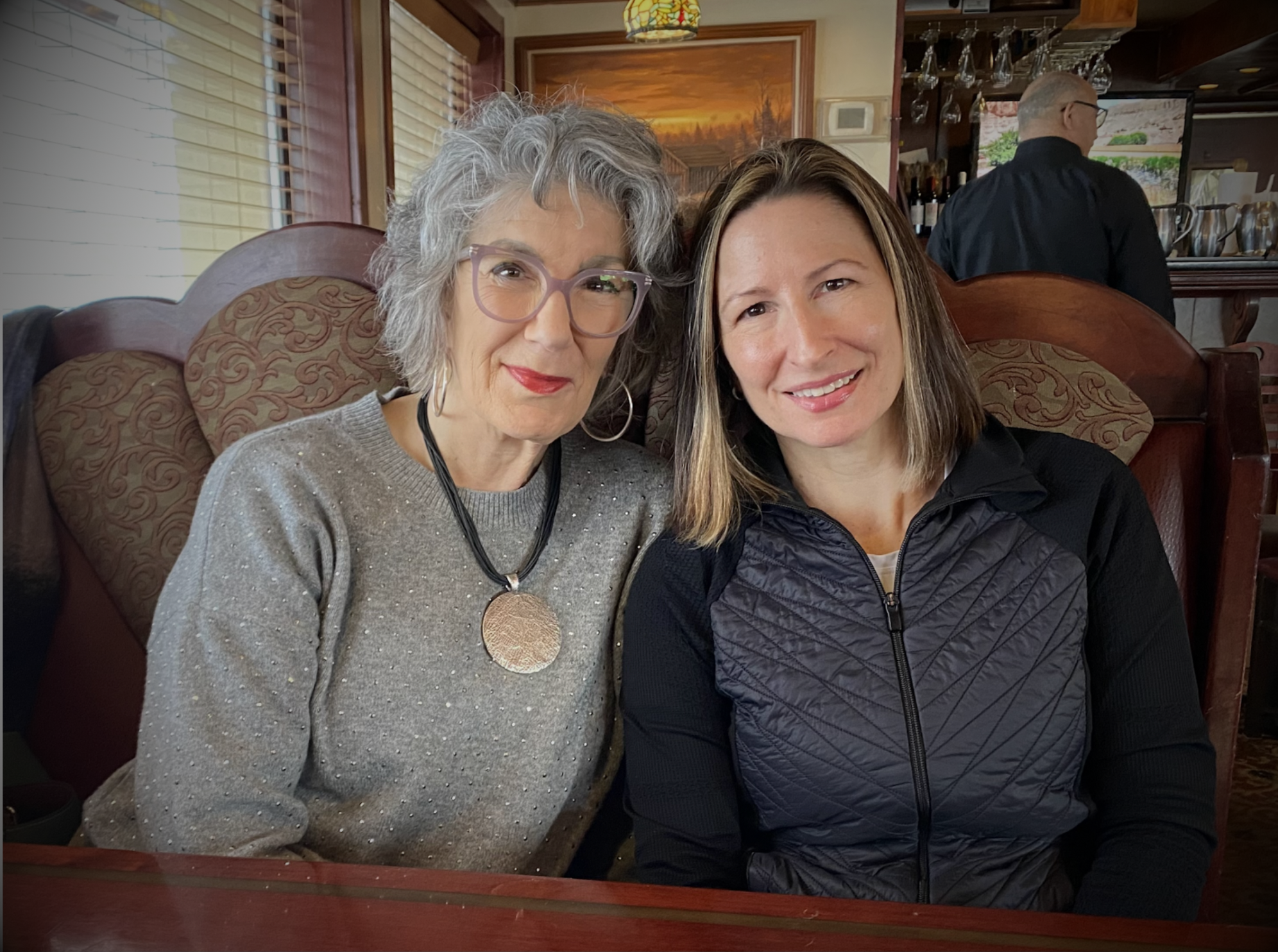
I visit Sharon on occasion for optional “tune-ups,” and we have become good friends. Not unlike the uncanny calling that I had to step into coaching as a vocation, she was called upon to become a Rolfer and considers the healing that she can provide to others as a key reason for being.
This leads me to a gentle invitation: don’t wait until mid-life to begin the journey of returning home to your body and to yourself.